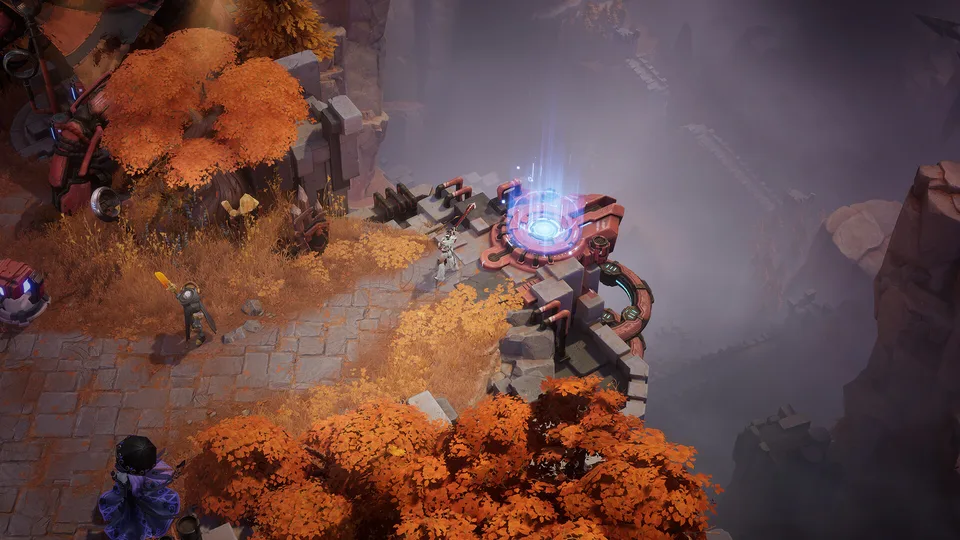
Discover the ultimate Torchlight Infinite tartarus prisoner food chain mechanics, prison management tips, and loot strategies for peak efficiency.
Published: Torchlight: Infinite Wiki Editorial Team
Table of Contents
Introduction to the Tartarus Prison Mechanic
Navigating the complex systems of Torchlight: Infinite can sometimes feel overwhelming, especially when you dive into seasonal features like the torchlight infinite tartarus prisoner food chain. Players frequently wonder why understanding this intricate prison ecosystem matters so much for endgame progression. According to community reports, mastering these management mechanics directly influences your ability to sustain long-term currency generation without wasting valuable crafting materials.
As you progress through the demanding tiers of the netherrealm, managing your prison hierarchy and riot battles becomes a crucial pillar of your seasonal economy. Instead of blindly pouring resources into early-stage equipment crafting, seasoned players emphasize a structured, sustainable approach. Let us examine how the prison food chain operates and how you can optimize your overall progression strategy.
Understanding Prison Management and Riot Battles
The core of the Tartarus system revolves around systematic prison management and handling volatile riot battles. According to player experiences, treating the prison mechanics as a long-term investment rather than an immediate cash cow is essential.
When dealing with the torchlight infinite tartarus prisoner food chain, you must carefully monitor resource recycling and functional arrangements within your facility. Rushing your development without understanding the underlying mechanics often leads to wasted resources and stagnant growth.
Facility Phase
Primary Focus
Recommended Action
Resource Priority
Early Management
Setup & Town Building
Gradual development
Basic materials
Mid-Tier Operations
Riot Battle Control
Stabilize clear efficiency
Commodity farming
Late-Stage Expansion
Maximizing Yields
Long-term scaling
Flame Elementium
This structured table highlights the progression milestones you should target as you expand your operational control over the prison environment.
Avoiding Common Pitfalls in Resource Allocation
Many players make the critical mistake of over-investing in transitional gear during the TM7 and TM8 transition phases. When exploring the torchlight infinite tartarus prisoner food chain and related seasonal features, financial discipline is your greatest asset.
Warning
Avoid spending excessive crafting materials on gear pieces that will soon become obsolete. Reserve your currency for profound stage requirements and stable commodity trading.
Community feedback highlights two major traps that catch newer players off guard:
Premature Crafting: Crafting high-end gear too early before reaching the final endgame brackets.
Blindly Copying Meta Builds: Investing heavily into specialized setups without possessing the necessary foundational support or character maturity.
Optimizing Farming Routes and Commodity Economics
To truly benefit from the torchlight infinite tartarus prisoner food chain framework, you need a reliable economic foundation. Commodity farming plays an essential role in maintaining your financial stability.
Rather than gambling every dropped material on risky upgrades, consider selling stable resources on the marketplace. Winding keys, resonance materials, and ember drops often yield consistent, flexible currency when traded rather than consumed immediately.
Resource Type
Market Demand
Recommended Strategy
Long-Term Value
Resonance Items
High & Steady
Accumulate and sell
Excellent
Winding Keys
Constant
Low-cost acquisition
Reliable income
Rare Elixirs
Variable
Keep and trade
Bonus profit
Utilizing these commodity markets ensures that your account remains self-sufficient while you focus on upgrading your primary character build and tackling higher difficulty tiers. You can check out official game updates and details directly on the Torchlight: Infinite Steam Page.
Maximizing Long-Term Efficiency and Progression
Ultimately, succeeding with the torchlight infinite tartarus prisoner food chain requires patience and methodical planning. Whether you are organizing prison riot battles or streamlining your netherrealm map runs, consistency outweighs quick fixes.
By maintaining a balanced approach to resource management, prioritizing steady commodity sales, and avoiding unnecessary early crafting expenses, you will build a robust economic engine capable of supporting your characters deep into the endgame.
What is the torchlight infinite tartarus prisoner food chain?
It is a seasonal prison management and resource hierarchy mechanic that requires strategic oversight of facility upgrades, prisoner management, and riot battles for sustainable gains.
How can I avoid wasting resources during TM7 and TM8?
Control your crafting investments, rely on commodity farming, and save your valuable materials for the profound endgame stages rather than upgrading transitional gear.
Is Tartarus prison management suitable for free-to-play players?
Yes, player experiences show that low-barrier, sustainable systems like Tartarus offer independent growth paths that do not heavily depend on paid pets or immediate high-tier gear.