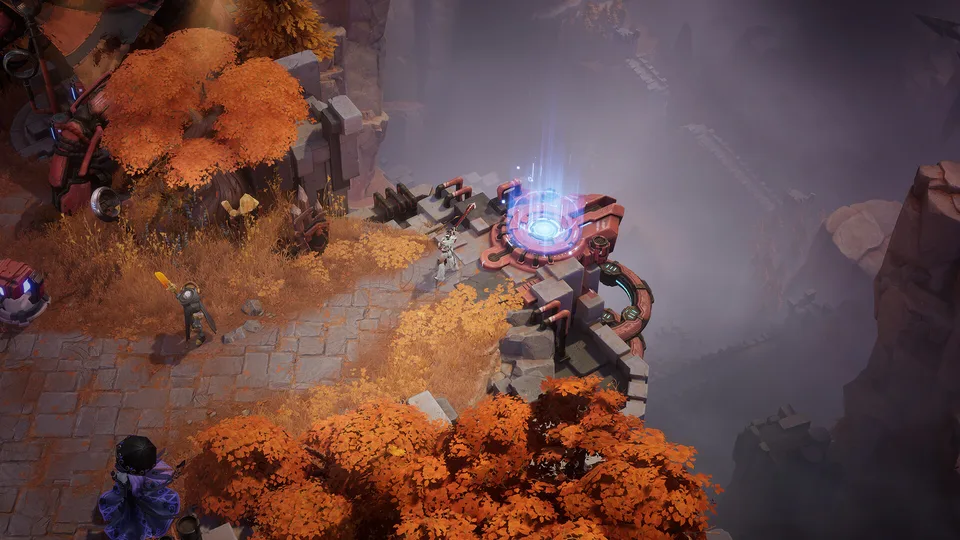
Torchlight Infinite What to Do After Campaign Guide
Discover torchlight infinite what to do after campaign. Learn endgame maps, scaling difficulty, and farming strategies to boost your DPS today.
Published: Torchlight: Infinite Wiki Editorial Team
Table of Contents
Understanding the Endgame Transition
Finishing the main storyline in an Action RPG often leaves players wondering about their next steps. When considering torchlight infinite what to do after campaign, you are stepping into a vastly expanded world of high-tier loot and intense progression systems. Without a clear direction, the transition from leveling zones to endgame content can feel overwhelming for both new and returning players. This guide breaks down the essential map progression, farming loops, and power milestones required to thrive in the endgame of Torchlight: Infinite, developed by XD.
According to community reports and veteran player experiences on the Steam forums, reaching the credits is merely the tutorial's end. Once you complete the narrative, the game opens up into structured mapping systems designed to test your build's limits. Knowing torchlight infinite what to do after campaign ensures you maximize your time, optimize your currency gains, and steadily climb toward top-tier encounters without hitting frustrating progression walls.
Complete the final campaign boss and unlock the baseline mapping interface.
Run low-tier scaling difficulty areas to stabilize your resistances and defensive stats.
Begin farming specific currency items to trade on the market for build-enabling gear.
Push higher difficulty maps incrementally as your DPS approaches the multi-billion threshold.
Map Progression and Scaling Difficulty
The core of the post-campaign experience revolves around running and modifying map areas. Much like other titles in the genre, your immediate goal is to progress through increasingly difficult tiers of maps. As you tackle harder zones, the quality and quantity of drops scale upward, fueling your character's continuous growth.
Map Tier Phase
Recommended Gear Level
Primary Objective
Tier 1 - 3
Basic Campaign Rare Items
Max out elemental resistances and cap mobility skills
Tier 4 - 7
Entry-level Crafted Gear
Farm basic crafting materials and early currency
Tier 8+
Optimized Build Pieces
Target rare drops, boss materials, and endgame currency
Player experience shared within the community highlights that repeating these map areas efficiently is the fastest way to accumulate wealth. Instead of lingering in lower tiers, focus on clear speed and survivability so you can step up to more rewarding challenges as soon as your damage permits.
Currency Farming and Market Utilization
Loot in Torchlight: Infinite serves a dual purpose: equipping your character directly or trading it away. Once the campaign concludes, your inventory will frequently fill with various crafting materials and trading currencies. Understanding how to leverage the in-game market is critical for acquiring high-end upgrades that random drops rarely provide.
Currency Farming
Focus on consistent map clears rather than full-clear completionist runs. Speed dictates your overall hourly profit in the endgame economy.
Market Trading
Utilize the trading house to sell unwanted high-tier bases or surplus materials, then reinvest that capital directly into crucial build components.
Veteran players note that the gameplay loop relies heavily on this economic engine. You farm currency in scaled areas, purchase targeted upgrades from the market, and use your newfound power to conquer even deadlier content.
Pushing DPS and Tackling Ultimate Content
As you refine your gear tree, passive traits, and skill links, your character's damage per second (DPS) becomes the ultimate metric of progress. Community consensus indicates that reaching competitive endgame viability often requires scaling your output significantly higher than what was needed during the leveling process.
Min-maxed defensive layers and specialized bossing gear setups
Reaching benchmark numbers like 10 billion DPS allows you to clear the game's toughest optional bosses and seasonal mechanics without getting bottlenecked by enraged phases.
Warning
Pushing raw DPS without balancing defensive layers will lead to frequent deaths in high-tier maps. Always ensure your armor, energy shield, or dodge stats scale alongside your offensive output.
Frequently Asked Questions
What should I focus on first after finishing the campaign?
Your immediate priority when figuring out torchlight infinite what to do after campaign is unlocking mapping areas and capping your elemental resistances to survive scaling damage.
How do I get better gear in the endgame?
You can acquire better gear by running high-tier maps for rare drops, crafting with accumulated materials, or trading currency on the player market for pieces tailored to your build.
How much DPS do I need for endgame content?
Community reports suggest that pushing toward 10 billion DPS is the benchmark target for comfortably clearing all available endgame content and pinnacle bosses.